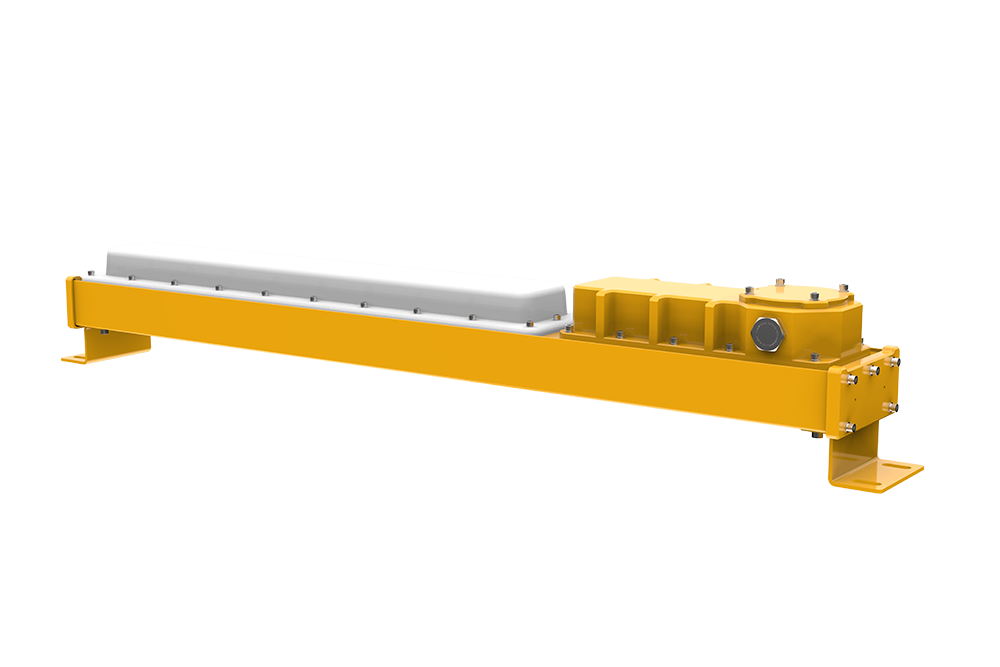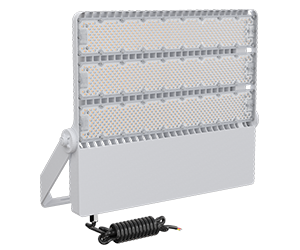
a
Laboring through settings holding inflammable items requires a serious style with respect to energy hazard avoidance. Flame retardant lamps have been especially fabricated intending to block combustion inside named perilous sectors, commonly identified namely like Class I, II, or III subsections. Those light sources are scarcely purely "durable" – the units run based on a tenet about containment: in case specific flash does emerge in the body, it actually is enclosed and fails to disseminate towards the environing area. Finding the right type of fireproof illumination forms essential and depends on considerations like the gas available, its concentration, and the warmth of the equipment. Without fail consult with a licensed professional to verify congruence with local laws and to keep a protected location. Neglect to do so can produce critical aftermath.
Comprehending Explosion Blast-Proof Illumination Specifications
Confirming worker security and preventing catastrophic failures in hazardous locations demands meticulous attention to explosion fireproof light sources regulations. Such directives typically stem from organizations like the National Electrical Instruction (NEC) and globally recognized certification bodies, ensuring equipment can withstand conceivable ignition sources such as combustion-prone gases, vapors, or dust. Proper selection involves considering the exact Class and Section designation of the premises, which dictates the level of safeguard needed – from intrinsically harmless designs to enclosures capable of containing an innate combustion. Adherence with these instructions isn't merely a counsel; it’s a legal and ethical mandate vital for protecting lives and property.
Explosion-Proof Illumination: A Extensive Inspection
Preserving safety in inherently perilous settings is important, and flameproof lighting systems play a key function in reaching aforementioned intention. The outlined explicitly built light apparatus are built to handle explosive atmospheres, avoiding sparking of vapors and solvents. Grasping the fundamentals of blast proof rating, various categories of fixtures, and suitable usage is absolutely vital for fulfillment and dedicated to retaining a non-hazardous manufacturing domain. Such guide will examine into these grounds, furnishing practical tips for professionals and site administrators.
Light-Emitting Diode Hazardous Location Light Sources: Economy
Concerning spaces where volatile aerosols or residues are available, typical lighting can lead to a considerable danger. Thankfully, Solid-state explosion-proof lights grant a robust tool that merges unequaled performance with important defense. Such new arrangements utilize greatly reduced current than legacy approaches, causing curtailed charges and a lesser load. Furthermore, the heavy-duty configuration of these luminaires ensures unfailing performance even in the challenging commercial circumstances, lessening the prospect of combustion.
Opting for the Right Intrinsically-Safe Light Sources for Perilous Environments
Guaranteeing hazard-free function within treacherous locations demands precise consideration when deciding on lighting options. Apart from simply purchasing a device, it's indispensable to comprehend the distinct classification of the zone – whether it's Level I, II, or III, and zones 1 or 2. The proper lighting model – usually sparkproof – must be licensed by a reputable verification agency such as CSA to ensure it is able to combat the possible for firing. On top of that, elements like ambient climate , amperage requirements, and sheen levels should be diligently analyzed to produce superior capability and maintain adherence with all pertinent precaution rules. Dismissing these elements could cause grave effects.
Review of Positives of Explosion Proof Illumination in Manufacturing Facilities
Upkeeping a hazard-free and stable operational environment is paramount in business settings, particularly those dealing with inflammatory materials. Blast resistant lighting isn't simply a compliance issue; it's a fundamental investment in employee well-being and asset preservation. These specialized fixtures are meticulously constructed to contain an localized explosion, preventing sparking of surrounding vapors. Beyond this primary role, they typically offer improved longevity in harsh conditions, reducing maintenance frequency and downtime. Furthermore, the adoption of modern explosion proof lighting solutions, such as electronic technology, can yield significant cost savings and a more efficient operation, while side-by-side enhancing workplace awareness and overall yield.
Protecting Your Blast-Proof Lights: Recommended Guidelines
Regular monitoring is crucial for maintaining the durability of your intrinsically-safe lighting fixtures. Kick off with a exhaustive visual review for any evidence of structural damage, such as chips or erosion. Frequently clean the covers to remove dust and filth, which can lessen light output. In addition, ensure every couplings are sealed and void of damage. Coordinate a periodic inspection program, abiding by the producer's guidelines and matching hazard codes. Conclusively, hold accurate accounts of all repair duties for check reasons.
Elucidating represents Fire-resistant Luminaires and Methods it Act?
Flame-retardant light sources are specially designed apparatuses intended to eliminate kindling in perilous zones, like petrochemical establishments or agricultural fragments storage locations. Essentially, instead of blocking glints from taking place, these lights trap any potential glimmer within a contained case. This mechanism typically involves adopting robust shells, often built of molded bronze, that are fastened and saturated with a fire-resistant substance, like grit, to quench any contained charge output from an spark. The architecture ensures that any intrinsic detonation doesn’t leak to the adjoining atmosphere, thus preventing a larger disaster.
Assessing Explosion Proof Light Types: ATEX, IECEx, UL
Choosing the appropriate "proper" explosion-proof "luminaries" for hazardous "regions" can be complicated, particularly when evaluating differing certification "criteria". ATEX, IECEx, and UL are three preeminent" certifications, each with its own "procedure" and range". ATEX, primarily used within the European Union" Union, emphasizes product design and examination" to ensure safety in potentially risky" atmospheres. IECEx, an international certification, offers a globally" recognized reference" and often facilitates" reciprocal recognition, making easier" compliance across multiple "lands". Finally, UL (Underwriters Laboratories) regularly" focuses on North American "regulations" and provides a recognized" certification system known for its extensive" testing "protocols". While overlaps take place, the special" testing "standards" and notetaking" differ, making a careful "assessment" crucial for ensuring full legal" compliance and a secure" working "setting".
LED Lighting vs. Classic Blast-Proof Fixtures: Which is More Advantageous?
Picking between Diode Light and classical fire explosion proof led lights resistant {lights|fixtures|luminaires|lamps|lighting systems|illum