Embarking
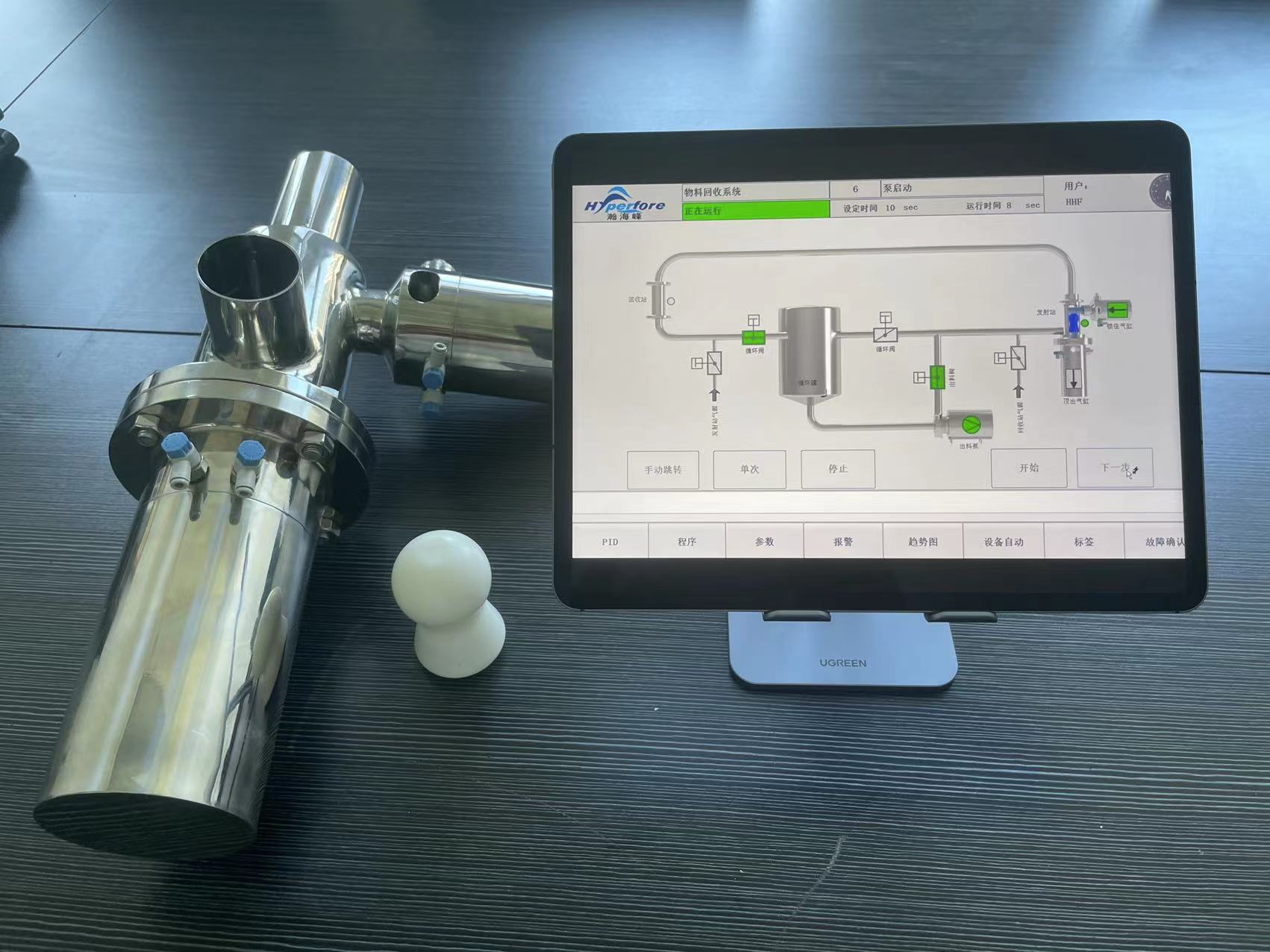
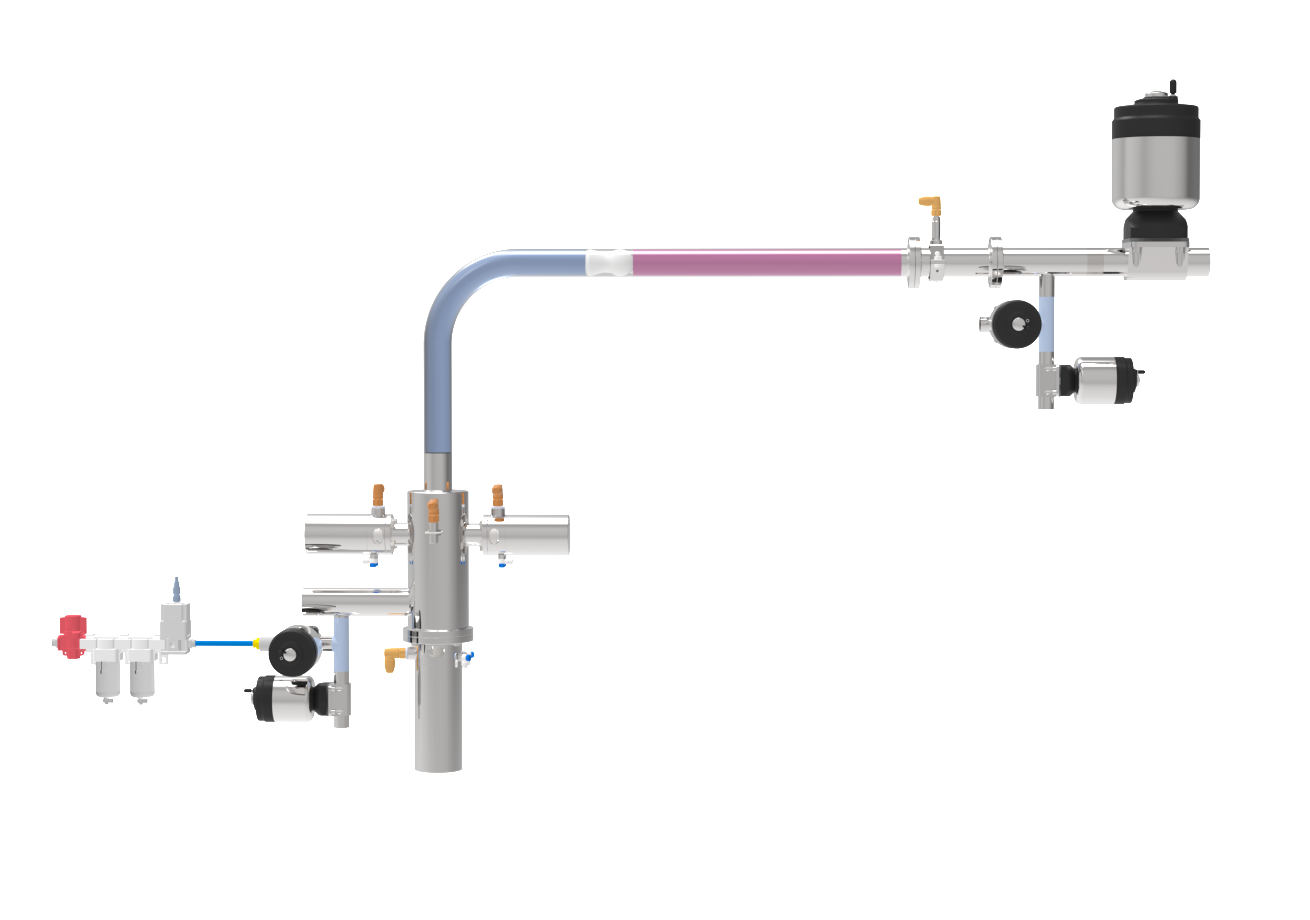
Programmable pigging mechanisms extend a meaningful improvement over manual practices for sustaining the integrity of channels. These innovative solutions optimize the procedure of transmitting a "pig" – a purpose-built device – through the pipeline to clean off deposits like debris, decay, and clogs. By curtailing downtime and maximizing operational capacity, automatic pigging systems stand for a crucial expenditure for enterprises relying on pipe transportation of elements.
Hygienic Clearing : Ensuring Duct Hygiene in Gastronomy Industry
Sustaining impeccable freshness within beverage formulation facilities is essential, particularly when it comes to ducts used for transporting solutions. Sanitary pigging offers a strong solution. This state-of-the-art technique involves inserting a cleaning device – often a spongy device – into the pipeline to extract impurities, including bacteria, and enhance complete cleanliness. Benefits include lowered exposure of infestation, optimized produce merit, and increased process effectiveness. Features for adoption include device substance compatibility with the good and pipeline design.
- Decreases decay possibility.
- Improves beverage standard.
- Amplifies capability effectuality.
Pigging Technology: Improving Function and Abating Residuals
These systems offer a considerable advancement in duct performance for various areas, particularly within the crude and engineering sectors. By guiding a “pig,” a dedicated device, through the pipework, deposits are cleared, maximizing throughput and decreasing product wastage. This leads to a diminished expenditure and a more responsible practice to resource handling.
One Future Regarding Pipelines: Investigating Self-propelled Pigging Methods
An evolution for pipeline operation is rapidly being shaped by self-operating pigging tools. Traditionally, pigging functions have rested on hand-operated intervention, but the introduction pertaining to autonomous pigs promises superior efficiency, minimized downtime, and better safety. These innovative systems capitalize on scanners, statistics, and programmed intelligence to traverse pipelines self-governed, discovering wear and carrying out cleaning tasks with unmatched precision. Forecasting widespread use, automatic pigging represents a key step heading to a more eco-friendly pipeline system globally.
Pristine Purging vs. Laborious Cleaning
Protecting line integrity within the nutrition industry presents a major challenge. Historically, manual flushing has been the common method, relying on assistants to actively eliminate debris and dirt. However, this approach is heavy-duty, prone to inconsistencies, and can be troublesome to fully validate. Hygienic rinsing, on the other hand, offers a automated alternative. This technology utilizes a apparatus propelled through the pipeline to clear deposits, providing a more efficient and regular sanitation process. Key divergences include:
- Financial investment: Human washing often involves large labor charges, while purging has upfront investment cut down overall costs.
- Productivity: Pigging commonly offers improved output compared to traditional approaches.
- Authentication: Affirming the depth of sterilization is simpler with scrubbing due to cataloging capabilities.
- Risk: Conventional cleaning can expose staff to perilous conditions, whereas pigging lessens this exposure.
Executing an Self-acting Pigging Method: Standard Protocols
Effectively installing an self-operating pigging approach requires meticulous organization and adherence to established best standards. To begin, carry out a in-depth examination of your pipework to ascertain the relevant difficulties requiring scrubbing. This consists of assessing the type of scale, the area of impediments, and the total quality of the system. Subsequently, go with a pigging system suited for your distinctive operational demands.
In addition, give attention to detailed guidance for technicians assigned in the execution method. This is necessary to include briefing on hazard-free control of the technology and knowledge of unforeseen responses.
- Periodically check the implement and linked parts for wear.
- Establish a robust management roster.
- Register all rinsing procedures and linked metrics.
- Assess the effect on pipeline velocity and good caliber.
Ultimately, regular oversight and refinement of the initiative scheme are necessary for boosting efficiency and extending the channel’s employable active period.
Addressing Frequent Hurdles in Pristine Flushing Networks
Practical working of sanitary pigging configurations often includes planned maintenance. Frequently, jams because of material accumulation are identified, which has the capacity to be fixed through comprehensive inspection via appropriate instruments. Likewise, reduced throughput suggest impaired scraper parts or internal damage. Periodic tending, including tool removal and detailed inspection of channel status, is vital to reduce closures and ensure greatest output.
Computerized Inspection Platforms for Industrial Ducts
Robotic scrubbing offers substantial benefits for sanitary pigging system operational pipework, significantly improving operational capacity. This process provides a sequence of gains, including reduced closures, minimized repair fees, and improved good purity.
- Lessened flow decrease leading to resource minimizing.
- Enhanced line stability, warding off blockages.
- Improved speed by dislodging deposits.
- Increased wellbeing for labor force and the environment.
Price with Sanitary and Robotic Purging Frameworks
Implementing spotless and automatic swabbing processes offers substantial budgetary relief for duct operators. These progressive technologies minimize product loss due to remaining product, significantly reducing discard. Beyond item recovery, scrubbing solutions diminish the frequency of preplanned channel shutdowns for care, translating to increased operational efficiency. Furthermore, the lower need for human intervention and detergent application further improves the overall budget-friendliness of your system.
- Less Item Loss
- Improved Functional Capacity
- Curtailled Personnel Input Charges