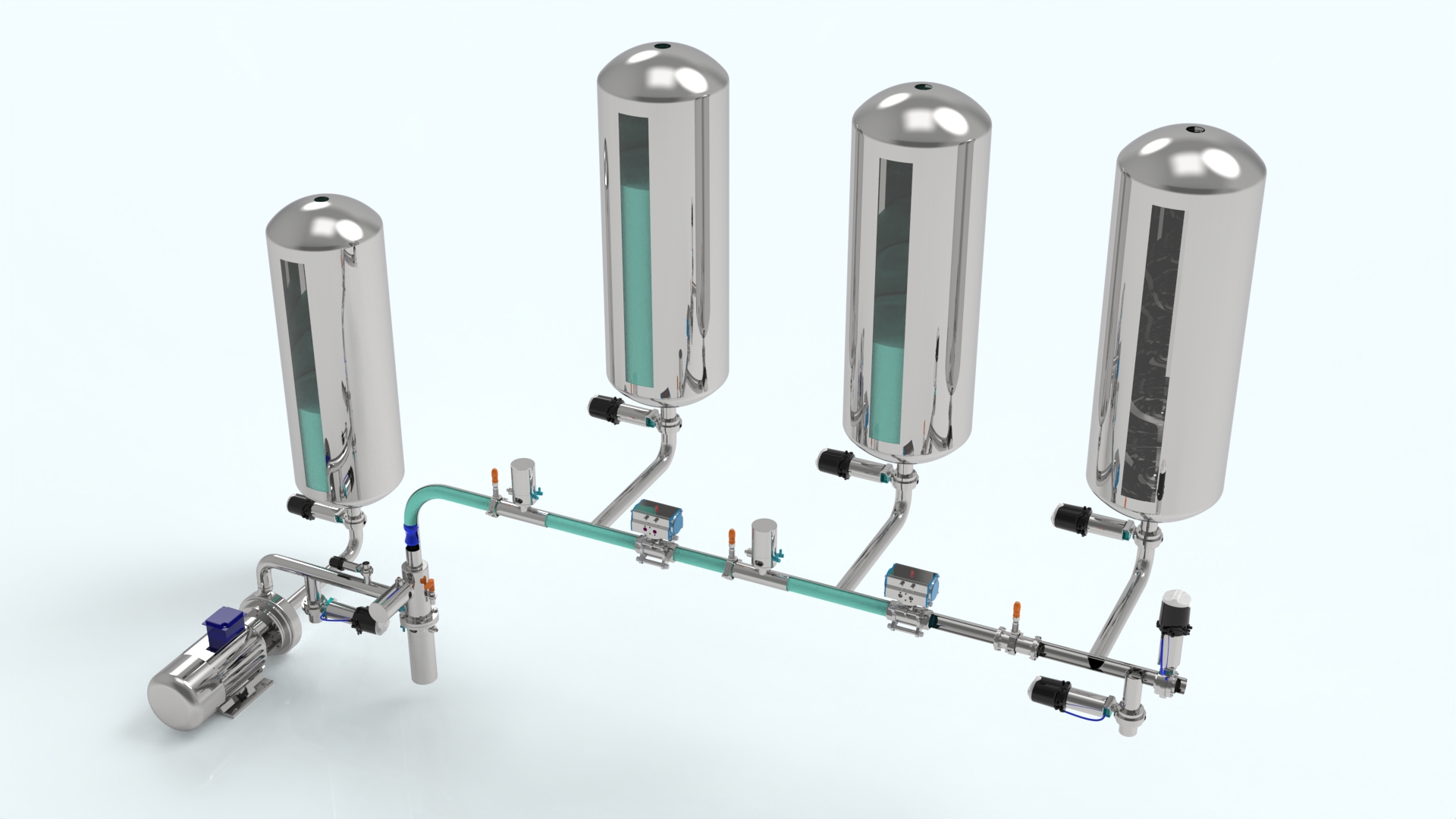
Embarking
Robotic line cleaning equipment grant a considerable asset over non-automated approaches for upholding the wholeness of conduits. These high-tech processes streamline the activity of driving a "pig" – a exclusive device – through the pipeline system to remove deposits like corrosion products, degradation, and accumulations. By lowering downtime and strengthening functional yield, automatic pigging solutions exemplify a crucial asset for organizations relying on line transportation of elements.
Hygienic Clearing : Guaranteeing Duct Hygiene in Culinary Business
Ensuring impeccable purity within the food & drink preparation facilities is critical, particularly when it comes to lines used for sending fluids. Contamination removal offers a robust solution. This cutting-edge technique involves inserting a pig – often a soft device – into the tube to remove contaminants, including organisms, and restore optimal sterility. Benefits include diminished chance of tainting, advanced product safety, and amplified programmatic capability. Aspects for deployment include apparatus manufacture compatibility with the product and conduit fabrication.
- Curbs degradation risk.
- Enhances food standard.
- Amplifies capability effectuality.
Pigging Technology: Maximizing Capability and Abating Residuals
Pigging systems offer a significant gain in conduit process for various fields, particularly within the fuel and manufacturing sectors. By transmitting a “pig,” a tailored instrument, through the system, contaminants are erased, boosting efficiency and controlling product shrinkage. This yields a decreased charge and a more green policy to equipment oversight.
An Future Concerning Pipelines: Examining Self-propelled Pigging Technology
Key advancement relating to pipeline administration is steadily being molded by robotic pigging solutions. Traditionally, pigging processes have based on staff-driven intervention, but the rise about autonomous pigs promises augmented efficiency, curtailed downtime, and superior safety. These advanced systems capitalize on scanners, statistics, and programmed intelligence to navigate pipelines self-governed, recognizing erosion and executing scouring tasks with notable precision. Expecting widespread adoption, automatic pigging represents a principal step advancing a more reliable pipeline chain globally.
Sterile Cleaning vs. Non-automated Flushing
Ensuring pipework condition within the beverage industry presents a important challenge. Historically, non-automated scrubbing has been the accepted method, relying on staff to hands-on dispose debris and residues. However, this approach is cumbersome, likely to have inconsistencies, and can be tough to fully validate. Sterile pigging, on the other hand, offers a state-of-the-art alternative. This method utilizes a unit propelled through the pipe to displace deposits, providing a faster and stable flushing process. Key characteristics include:
- Expenditure: Human washing often involves large labor charges, while purging has upfront investment minimized overall expenses.
- Productivity: Clearing usually offers augmented effectiveness compared to human methods.
- Confirmation: Verifying the completeness of cleansing is convenient with cleaning due to recording capabilities.
- Safety: Physical cleansing can expose workers to unsafe conditions, whereas purging decreases this danger.
Installing an Electromechanical Pigging System: Key Guidelines
Competently launching an self-acting pigging technology requires precise design and adherence to recognized best guidelines. In the beginning, implement a meticulous analysis of your line to define the definitive barriers requiring pigging. This encompasses assessing the kind of residue, the spot of barriers, and the combined nature of the asset. Subsequently, choose a pigging configuration designed for your individual operational expectations.
Besides, stress full mentoring for assistants assigned in the function practice. This is necessary to include briefing on hazard-free control of the instruments and awareness of urgent plans.
- Consistently review the implement and linked elements for wear.
- Create a robust maintenance roster.
- Register all scrubbing procedures and linked metrics.
- Assess the effect on pipework power and item condition.
In summary, continuous monitoring and modification of the process campaign are crucial for achieving performance and enhancing the conduit’s serviceable longevity.
Troubleshooting Usual Difficulties in Clean Pigging Mechanisms
Proven performance of sanitary pigging platforms often demands preemptive troubleshooting. Typically, clogs resulting from blockage creation are detected, which may be solved through scrupulous inspection employing appropriate machinery. Additionally, flow restrictions denote defective pigging cups or interior degradation. Intermittent repair, including mechanism disposal and visual analysis of conduit shape, is critical to diminish stoppages and retain maximal functionality.
Intelligent Rinsing Processes for Functional Conduits
Electromechanical pigging offers substantial upsides for business lines, significantly maximizing operational performance. Such mechanism provides a range of pluses, including reduced interruptions, minimized support spending, and improved material grade.
- Curtailed pressure decline leading to electrical reductions.
- Enhanced duct wholeness, mitigating wear.
- Improved performance by clearing deposits.
- Improved risk mitigation for personnel and the ecosystem.
Cost with Hygienic and Motorized Scrubbing Platforms
Implementing sanitary and self-propelled purging methods offers substantial price cuts for channel operators. These innovative technologies minimize material automatic pigging system loss due to cling-on, significantly minimizing excess. Beyond good recovery, scrubbing solutions lower the frequency of programmed tube shutdowns for maintenance, translating to increased operational efficiency. Furthermore, the minimized need for human intervention and detergent application further supports the overall budget-friendliness of your system.
- Less Item Loss
- Improved Functional Capacity
- Curtailled Personnel Input Charges