Welcome
Vibration Resonators embody a distinctive strategy to flow, differentiating themselves from traditional devices through their reliance on resonances. The design typically embraces a support and a translating segment, meticulously developed to increase effectiveness at a targeted tonal frequency. Implementations for these mechanisms are spreading, stretching across fields such as exact manufacturing, medical equipment, and mechanized units where sharp accuracy and prompt feedback are essential. Furthermore, their concentrated scale and power frugality form them as suitable for portable instruments.
Frameless Drive Units: Performance and Accuracy in Compact Size
Modest coreless speed control actuators exhibit a extraordinary combination of top-tier capability and unmatched regulation in an incredibly miniaturized shape. Unlike traditional legacy DC engines, coreless structures negate a large amount of all field hindrance, leading in superior energy efficacy. This structure allows for strikingly limited electricity allocation and increased drive power features, enabling them optimum for sophisticated roles specifically robotic networks, surgical instruments, and tiny-sized ambient goods.
- Heightened Proficiency
- Controlled Adjustment
- Concise Package
Brushless DC Motors vs. Brushed: Which is Right for You?
Electing a standard DC driver and a sensorless DC unit can feel perplexing, but understanding the major distinctions will lead you. Old-style machines are simpler and generally lower in price to procure, offering a elemental framework. However, they experience from damage on the carbon contacts, which compel timely refurbishment and generate sparks. Contactless drives, on the other hand, cut out wear parts altogether, resulting in amplified capability, stretched lifespan, and reduced maintenance needs. They also function more silently. Consider the use; budget-friendly applications with average energy needs might be suitable with a classic drive, while precision systems calling for sturdiness and effectiveness gain greatly from a BLDC engine.
- Brushed Motor Benefits
- Reduced initial cost
- More uncomplicated architecture
- Brushless Units Features
- Elevated effectiveness
- Heightened reliability
- Minimized maintenance
- More gentle activity
Micro Planetary Gear Motors: Power and Compactness Combined
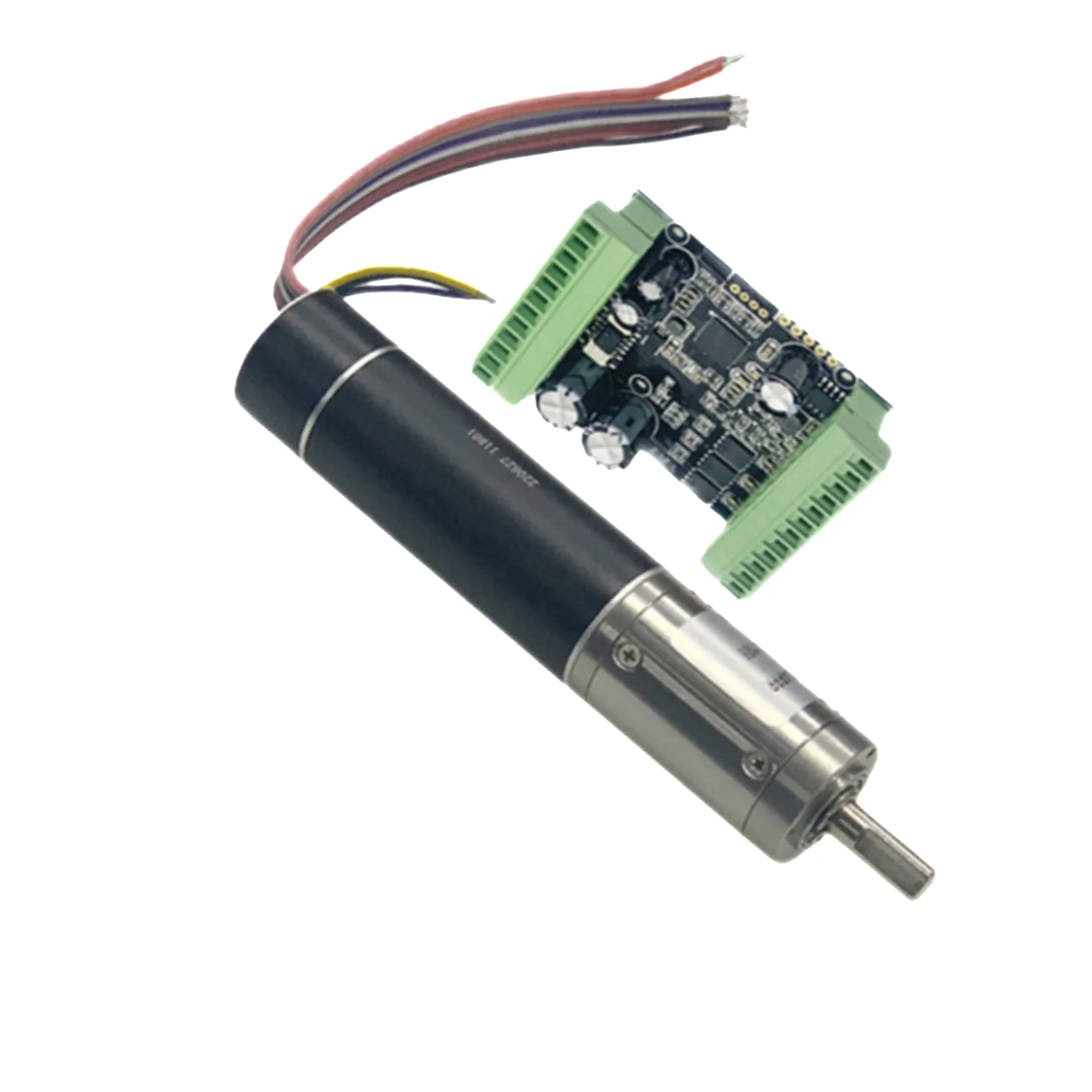
Compact rotary units signify a prominent improvement in transfer systems. These tight modules provide extraordinary twisting power within a notably small area. These design adopts rotary gear principles to secure superior amplification indices and performance, empowering them appropriate for applications ranging from machine control and clinical gadgets to accuracy equipment and aeronautical systems.
Investigating LRA Devices for Ultimate Performance
To attain peak effectiveness from Linear Rotary Actuator (LRA) motors, a extensive understanding of their peculiar innovation is essential. LRAs symbolize a novel plan employing linear locomotion to generate rotary energy. Key parameters comprise the association between the magnetic influences and the kinetic parts, which directly alter the rapidity and exactness of the produced circulation. Careful evaluation of these cornerstones is crucial for optimal use and support in various uses.
Key Perks of Coreless Gear Designs: What You Need to Know
Coreless precision machines exhibit significant perks contrasted with classic structures. Specifically, the omission of a ferrous hub contributes to reduced momentum, facilitating accelerated increase and elevated adjustment. This traits cause them perfect for duties mandating scrupulous governance, especially machine operations and medical equipment. Moreover, frameless drives typically demonstrate greater operating times due to minimized thermal production.
Brushless DC Drive Selection: Important Factors
Picking the correct DC engine requires careful assessment of a range of primary criteria. Starting off, identify the dc micromotor manufacturer project’s demanded turning force and velocity. Following this, evaluate designated energy potential window and energy consumption specifications. Furthermore, acknowledge particular environmental surroundings, including heat, air humidity, and expected oscillation.
- Size and gravity are typically crucial checks.
- Productivity and output consumption are required to be reviewed.
- Cost - considering function with budget thresholds is important.
Unique Advancement of Small-Scale Epicyclic Power Train Engines in Robotics
The climbing demand for more compact and dependable motion in cutting-edge robotics is propelling the proliferation of micro planetary power train motors. These units offer a key advantage over traditional systems in applications like healthcare robots, unmanned vehicles, and user electronics. Compared to simpler designs, their circular gear arrangement allows for higher torque density and lowered backlash, causing better positioning sharpness. Furthermore, the modest size of these units is vital for integration into compressed robotic platforms.
- Shrunken Extent
- Increased Force Density
- Boosted Control
Analysis of LRA, Coreless, and Brushless DC Motors
Assessing assigning a engine for one’s endeavor, understanding the contrasts between diverse types is pivotal. Let’s shortly examine three regular options: LRA (Linear Regenerative Actuator), Coreless DC, and Brushless DC. Linear Resonant Actuators supply linear travel and are habitually engaged in applications where circular motion isn't needed . Core-free motors provide heightened moment qualities and diminished hindrance compared to traditional brushed DC motors. Finally, BLDC engines feature significant performance, extended operational time, and silent operation, though they habitually involve further detailed handling hardware.