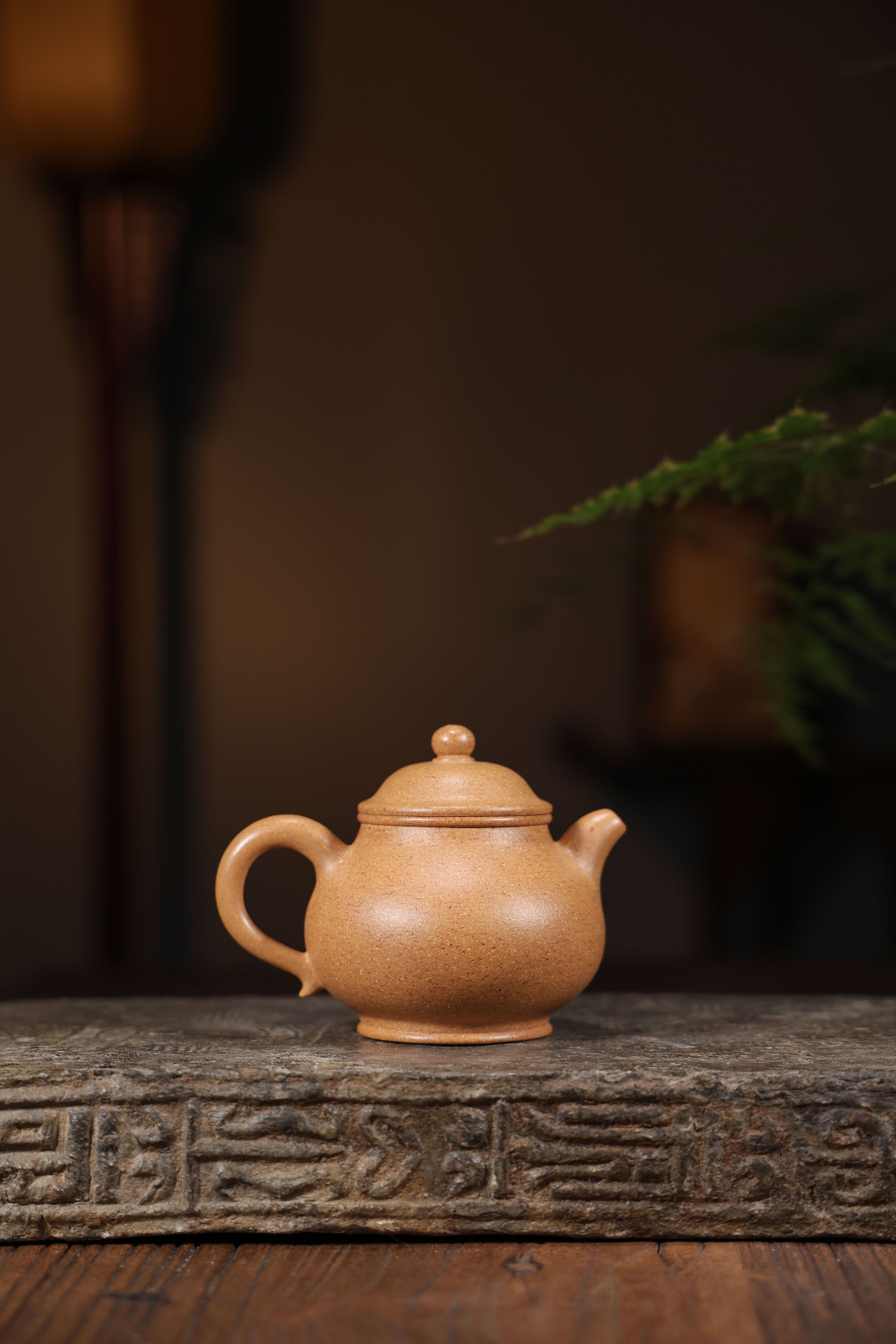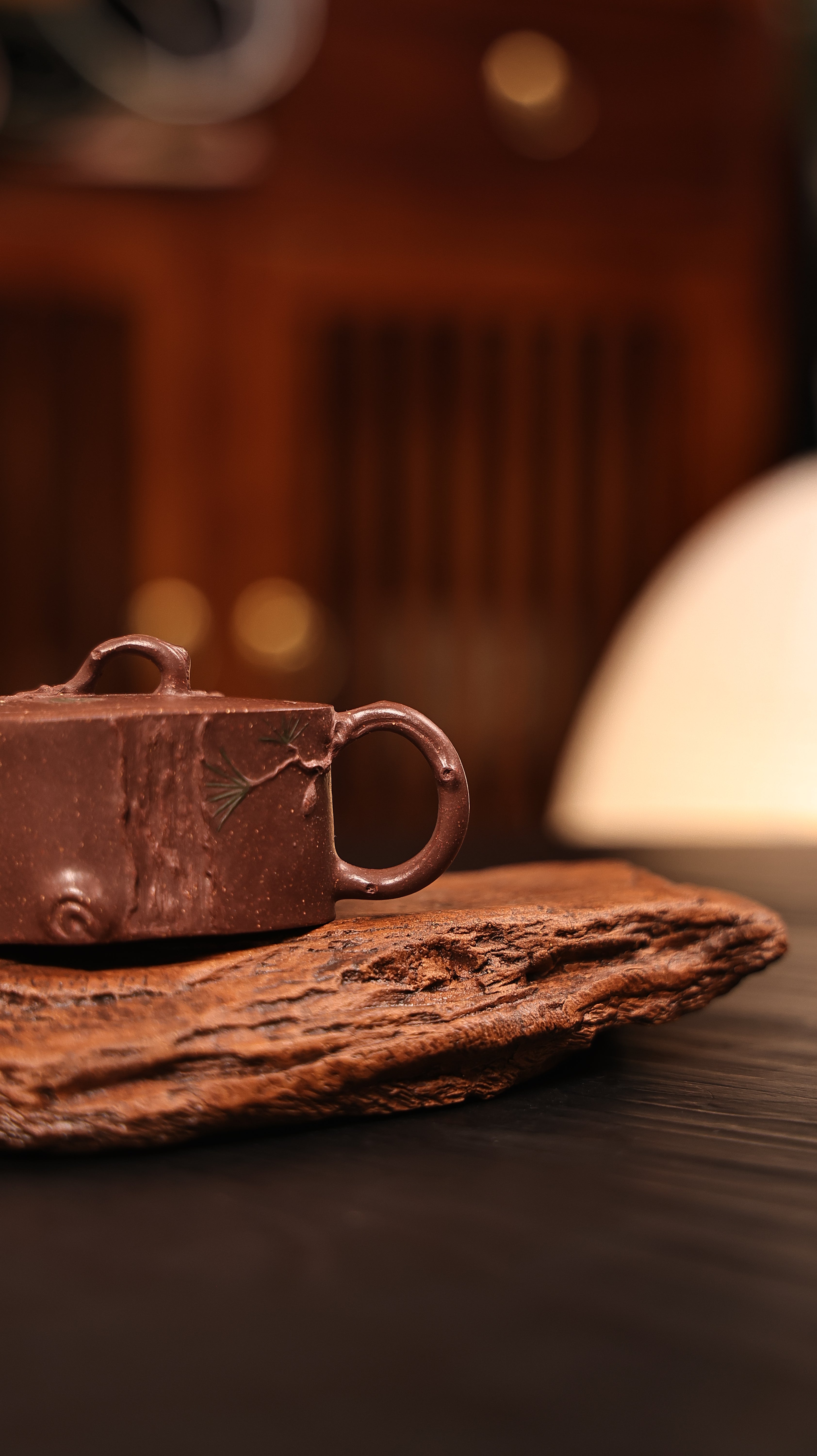
Commencing an complete exploration concerning Yi-hsing Zi-sha teapots offers a fascinating combination between know-how combined with effectiveness.
Yi-hsing Tzu-sa ceramic kettles contain distinct incomparable fascination towards connoisseurs universally. Certain exceptional porcelain containers, emanating from the exclusive Eysing zone of Jiangsu province, China, embody more than just tea gadgets; they are regarded as works masterful beauty and heritage significance. Such finely refined clay, known as Zisha, imparts a understated flavor over the tea, and the ornate designs, often illustrating traditional Chinese patterns, raise their basic value. Purchasing a genuine Yixing Zisha teapot represents a fulfilling journey, asking for careful investigation and an comprehension of the various factors influencing the uniqueness.
Delving into Yixing Tea Vessels
Ising ceramic containers boast a rich past deeply interwoven with Chinese civilization. Originating in Yixing, Jiangsu area, these pots are crafted from a unique, porous purple dirt found only in that designated location. Their growth began during the Ming time, with master artisans refining the systems over decades. Different types appear, including the classic Hexiang (resembling crab shells), Zhuni (red-brown hue), and Duan Ni (stone-studded) – each with distinctive appearances. The esteem of an Yixing pottery isn't solely based on its size or decoration, but also on the artisan’s reputation, the material's quality, and the brewery’s age and condition. Aficionados often seek out older examples, believing they absorb the essence of the beverage brewed within them over time, further Purple Clay Teapot adding to their distinction.- Crab Shell Brewing Vessels
- Earth-Toned Brewing Vessels
- Rock-Adorned Brewing Vessels
Zisha Teapot Mastery: Creation & Means
Such formation of Zisha teapots represents a pinnacle of Chinese ceramic mastery. Master artisans employ time-honored techniques, often passed down through offspring, to unlock the full character of this unique clay. Systems involve meticulous shaping by hand, often combined with the stacking method, followed by precise tempering at incredibly intense temperatures in wood-fired kilns. Enhancing is equally crucial; producers utilize inherent clay colors and may incorporate etching work to depict intricate scenes or patterns, demonstrating a profound expertise of the material’s characteristics and spirit. The conclusion teapot isn't merely a vessel for tea, but a testament to a deep cultural inheritance.
Traditional Teapots: The Summary to Yi-hsing Zi Sha
Unveiling the world of Ancient teapots frequently initiates with Yixing Zisha. These particular clay pottery vessels are made from a unique type of clay extracted only in the Yixing region of the Jiangsu zone province. Noted for its characteristic reddish-purple hue and fine features, Zisha clay transfers a light flavor to the liquid and enhances with age, transforming a cherished gem. Amassing Yixing Zisha pottery is more than just keeping a elegant object; it’s a celebration of tradition and craftsmanship.
Considering this Clay Pottery: Legitimacy & Enhancement
Exploring the sphere of Yixing Zisha containers can be highly worthwhile, but entails a careful cognition. Validity is required; multiple counterfeits are available, routinely expertly fabricated. Training about time-honored heating systems, characteristic mud qualities, and the markings of acclaimed fabricators is entirely fundamental. Additionally, grasping the subtleties of the appreciation swing – influenced by circumstances such as heritage meaning and the condition of the componentry – is decisive to fruitful collection.
- Researching roasting heritage.
- Requesting specialists for substantiation.
- Judging commerce fluctuations.
Unique Technique of Making with a Zisha Container
A distinctive allure of a Zisha apparatus lies not just in its gorgeous appearance, but also in its significant impact on the quality of the drink. These traditional clay brewing pots, sourced from exclusive regions of China, possess a inherent porosity that delicately interacts with the solution and leaves, imbuing the elixir with a soft character. Mastering the process requires a persistent approach, understanding how the ceramic responds to multiplex thermal states and tea types, ultimately leading to a actually rewarding brewing adventure.
Protecting Exclusive Gem
Proper treatment of your Yixing urn is fundamental to sustaining its lastingness. These exceptional teapots, crafted from exclusive Yixing clay, form a gradation over decades that magnifies their appeal. Systematically rinse the inside with pure water, avoiding soap, and never use rough scrubbing tools. Occasional gentle rubbing with a silky cloth can assist in taking off stains. Allow your container to absolutely dry after each serving
Unveiling Yixing: Factors Given Kettles Symbolize Outstanding
The celebrated appeal of Yixing teapots arises from the singular properties of Yixing clay, discovered solely near Yixing, the Jiangsu area. This exceptional clay, categorized as ferruginous terra cotta , demonstrates a strange combination of substances that, after aging, receive the taste of the beverages it houses. This generates a one-of-a-kind taste experience for each pot, providing it a price far outperforming its initial price and resulting to their coveted status among devotees.
Spotting the Appropriate Regional Teapot: A Yixing Clay Manual
Venturing into the world of Zisha clay teapots can feel complex, but understanding the principles is crucial to finding a valued piece. Those clay, sourced principally from the Yixing vicinity, the Jiangsu zone, is acclaimed for its characteristic quality and ability to adapt the savor of the liquor over stretch. Appraise the silhouette, the brightness, and the presentation; a bona fide Zisha teapot is more than just a receptacle; it's a work of art and a manifestation of traditional culture. Seek the symbol of the maker for clues to its history and potential worth.