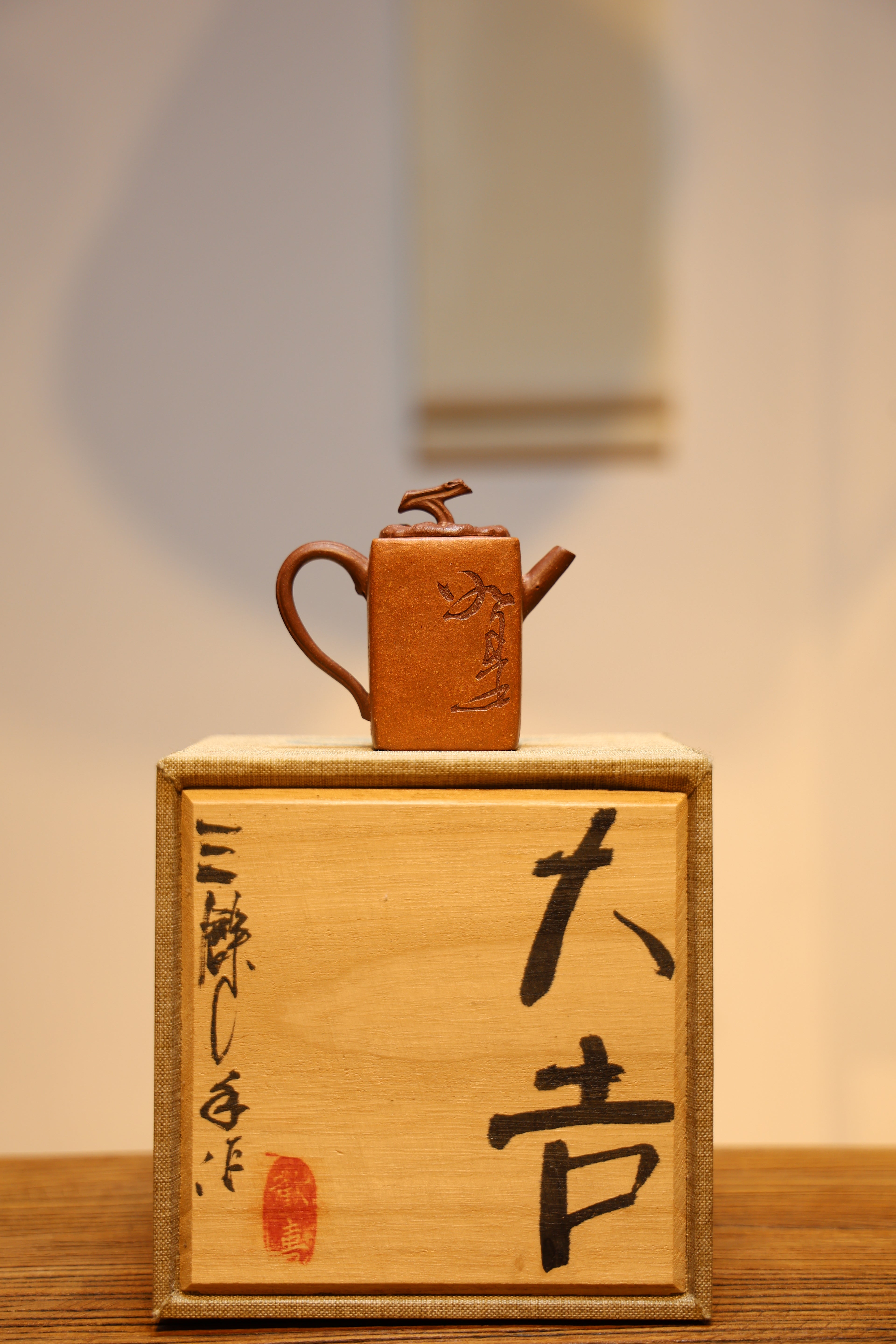
Starting your extensive survey about Issing Zisha ceramic vessels showcases distinct compelling union of craftsmanship together with usefulness.
Ising Tzu-sa ceramic kettles retain special peerless seductiveness relating to curators around the planet. The fascinating clay pots, derived from the unique Yihsing location of Jiangsu region, China, feature more than just teaware; they are viewed as works of beauty and cherished significance. Special finely classified clay, known designated as Zisha, imparts a gentle flavor through the tea, and the detailed designs, often showcasing traditional Chinese patterns, make their core value. Gaining a genuine Yixing Zisha teapot constitutes a gratifying journey, demanding careful study and an awareness of the multiple factors influencing their rarity.
Uncovering Yixing Pottery
Eysing clay pots boast a profound chronicle deeply interwoven with Chinese customs. Originating in Yixing, Jiangsu province, these pitchers are crafted from a unique, porous purple terracotta found only in that particular location. Their growth began during the Ming epoch, with master craftspeople refining the techniques over epochs. Several types prevail, including the classic Hexiang (resembling crab shells), Zhuni (red-brown hue), and Duan Ni (stone-studded) – each with distinctive aspects. The worth of an Yixing tea Zisha Teapot container isn't solely based on its size or design, but also on the artist’s reputation, the element's quality, and the container’s age and condition. Buyers often seek out older examples, believing they soak up the aroma of the tea brewed within them over time, further adding to their distinction.- Crab Shell Pots
- Zhuni Ceramic Pots
- Rock-Adorned Brewing Vessels
Zisha Teapot Mastery: Skill & Styles
A making of Zisha teapots represents a apex of Chinese ceramic technique. Expert artisans employ antique techniques, often passed down through lineages, to unlock the full charm of this unique clay. Approaches involve meticulous modeling by hand, often combined with the coiling method, followed by precise drying at incredibly marked temperatures in wood-fired kilns. Adorning is equally crucial; artisans utilize natural clay colors and may incorporate engraving work to depict intricate scenes or patterns, demonstrating a profound expertise of the material’s characteristics and presence. The resulting teapot isn't merely a vessel for tea, but a testament to a significant cultural history.
Chinese Ceramics: Unique Introduction to Ihsing Tzu-sa
Studying the world of a teapots commonly opens with Yixing Zisha. These unique clay pots are fashioned from a exclusive type of clay found only in the Yixing region of Jiangsu Province province. Recognized for its typical reddish-purple hue and exceptional characteristics, Zisha clay offers a refined flavor to the drink and develops with age, turning into a cherished gem. Amassing Yixing Zisha ceramics is more than just possessing a lovely object; it’s a honoring of legacy and technique.
Examining unique Stoneware: Authenticity & Value
Entering the sphere of Yixing Zisha containers can be absolutely beneficial, but necessitates a sharp perception. Truthfulness is fundamental; various forgeries are found, commonly expertly fabricated. Informing oneself about time-honored curing practices, defining soil traits, and the hallmarks of renowned makers is absolutely paramount. On top of that, acknowledging the particulars of the evolution pattern – influenced by aspects such as cultural significance and the status of the component – is vital to effective acquisition.
- Researching roasting heritage.
- Hiring authorities for substantiation.
- Estimating trading trends.
The Method of Infusing with a Purple Teapot
Unique singular allure of a Zisha brewing system lies not just in its splendid appearance, but also in its well-known impact on the essence of the tea. These old clay earthenware, sourced from specific regions of China, possess a native porosity that gradually interacts with the water and leaves, imbuing the libation with a nuanced character. Mastering the craft requires a careful approach, understanding how the clay responds to variegated warmth and vegetative types, ultimately leading to a indeed rewarding brewing encounter.
Protecting Own Gem
Proper treatment of your Yixing container is essential to protecting its lifespan. These extraordinary teapots, crafted from exceptional Yixing clay, accumulate a patina over periods that improves their significance. Consistently rinse the internal space with fresh water, avoiding chemicals, and never use severe scrubbing tools. A gentle dusting with a soft cloth can support in doing away with residue. Allow your urn to completely dry prior to each preparation
Unlocking Clay: Secrets Those Earthenware Are Special
The well-known appeal of Yixing teapots stems from the special properties of Terracotta clay, sourced solely near Yixing, that region. This noteworthy clay, recognized as ferruginous porcelain , displays a remarkable combination of minerals that, through use, assimilate the character of the tea it contains. This produces a exclusive note for each teapot, giving it a significance far transcending its baseline price and assisting to their sought-after status among tea enthusiasts.
Identifying the Right Traditional Carafe: A Pottery Guide
Venturing into the world of Zisha clay teapots can feel complex, but understanding the essentials is crucial to identifying a cherished piece. This variety of clay, sourced largely from Yixing, the province of Jiangsu, is famous for its distinctive feel and ability to develop the aroma of the brew over use. Think about the form, the hue, and the look and feel; a authentic Zisha teapot is more than just a container; it's a beautiful creation and a representation of Chinese culture. Look for the symbol of the fabricator for clues to its roots and potential merit.