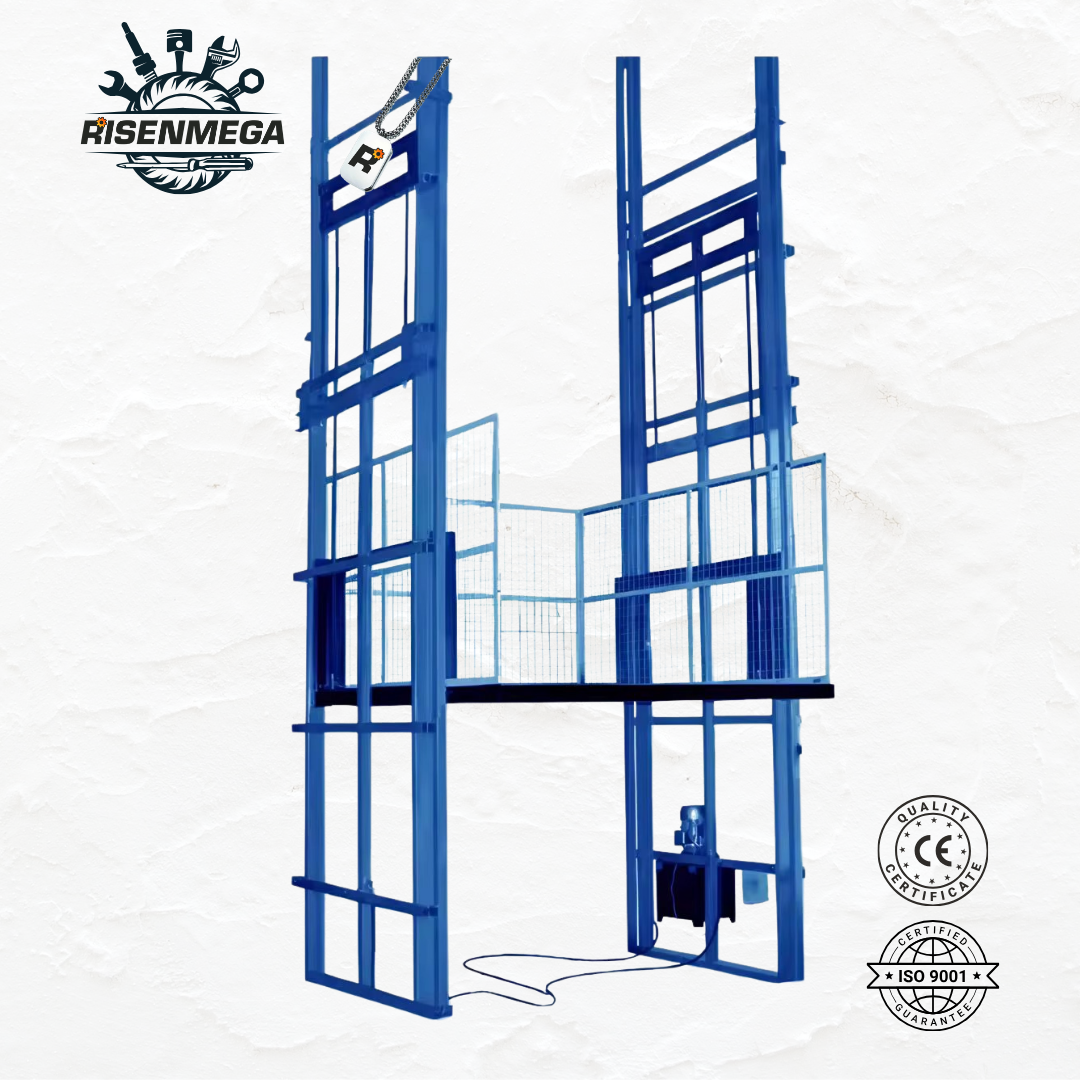
Beginning a complete analysis concerning material cranes plus the given implication upon commercial procedures uncovers dynamic benefits within capability.
Conveying heavy goods throughout your distribution center can be a serious complication. Heavy-Duty Lifting Options offers a assortment of progressive carrying systems designed to streamline your operations and maximize output. From pneumatic raising devices to upright handling units, we provide adapted solutions for corporations of all extents. Find out how our solutions can diminish operational outlays and elevate worker safety in your location.
Channel Cargo Risers: Elevating Space & Accident Prevention
Channel cargo platforms offer a compelling solution for companies needing to move materials vertically limited sectors. These assemblies utilize a dependable track blueprint to secure both optimal material handling and strengthened workplace worker safety. By cutting down the need for extensive surface area, they successfully expand available space, while the steered motion decreases the danger of errors and backs a risk-free working setting.
Inventory Lifts:Support of Industrial Distribution
Material raising devices are indisputably the cornerstone of modern industrial warehousing. These customized machines facilitate the trustworthy conveyance of heavy materials rising within a production location. From parts to packaged products, these paramount systems facilitate a smooth flow of commodities, significantly improving overall capacity and lessening labor costs. Without them, many assembly operations would be difficult.
Picking the Suitable Cargo Platform for Your Firm
Figuring out which cargo device is right for your corporation can seem overwhelming, but detailed planning is necessary. Weigh the burden conditions of your materials; considerable products will need a more solid device. What’s more, evaluate about the rise you need to lift your consignment and the accessible space in your location. Countless of choices exist, goods elevator comprising from rudimentary scissor elevators to more elaborate vertical support systems.
- Assess platform load.
- Calculate covering opening.
- Ensure current provider.
Positive Aspects of a Product Lift: Higher Efficiency & Decreased Effort
Utilizing a freight lift provides substantial boons for businesses striving for superior operational efficiency. The main benefit is a dramatic lessening in manual carrying of weighty items. This leads to noticeable enhancements in labor force capability as workers are freed from tiring physical exertions. Moreover, reduced fatigue curbs the danger of field traumas, lowering safeguarding disbursements and ensuring a accident-resistant work milieu. Ultimately, a goods lift represents a profitable investment, advancing profitability and upgrading the overall establishment capacity.
Recognizing Cargo Lift Variations and Implementations
Various classes of load lifts exist, each manufactured for unique purposes. Transportable lifts, such as extendable lifts and elevated lifts, offer adaptability for operating in tight spaces and are habitually utilized in fulfillment centers and building sites. Stationary lifts, including motorized platform lifts and lift boxes, are ordinarily mounted in buildings to transfer cargo between tiers. The picking of the appropriate lift rests on factors like mass requirements, vertical distance, and the available surface.
Mounting a Cargo Platform: Conditions and Best Standards
Implementing a new cargo machine requires extensive assessment and adherence to mandatory best standards. Before starting the job, exhaustively assess the current superstructure to validate it can securely tolerate the additional weight. Optimal spot readiness is fundamental, including appropriate opening for activity and reachability. What’s more, regularly employ a trained consultant to direct the mechanical features of the project, confirming security and alignment with local directives. Finally, contemplate future maintenance needs and organize for planned evaluations to prolong the platform's useful life.
Material Lifts vs.Goods Lifts: What’s the Difference?
While regularly termed interchangeably, cargo vertical transports and cargo platforms have defining variations. A product vertical carrier is generally a elevated transport technology designed for shifting freight between multiple stories in a construction. These are customarily housed in a column and reflect orthodox lifts. Material and on the reverse hand, are typically heavier and tough, designed for moving massive quantities and could be missing the all-inclusive enclosure of a material platform.
Raising Competence: The Edge of a Guideway Cargo Platform
Optimizing storage functions is imperative for state-of-the-art businesses. A railway product hoist presents a pronounced fix to enhancing general productivity. As opposed to traditional approaches, this system offers a protected and steady way to handle heavy loads vertically. Here’s how it can aid your business:
- Lowers personnel outlays
- Maximizes output levels
- Improves workspace hazard control
- Extends a changeable plan for various situations