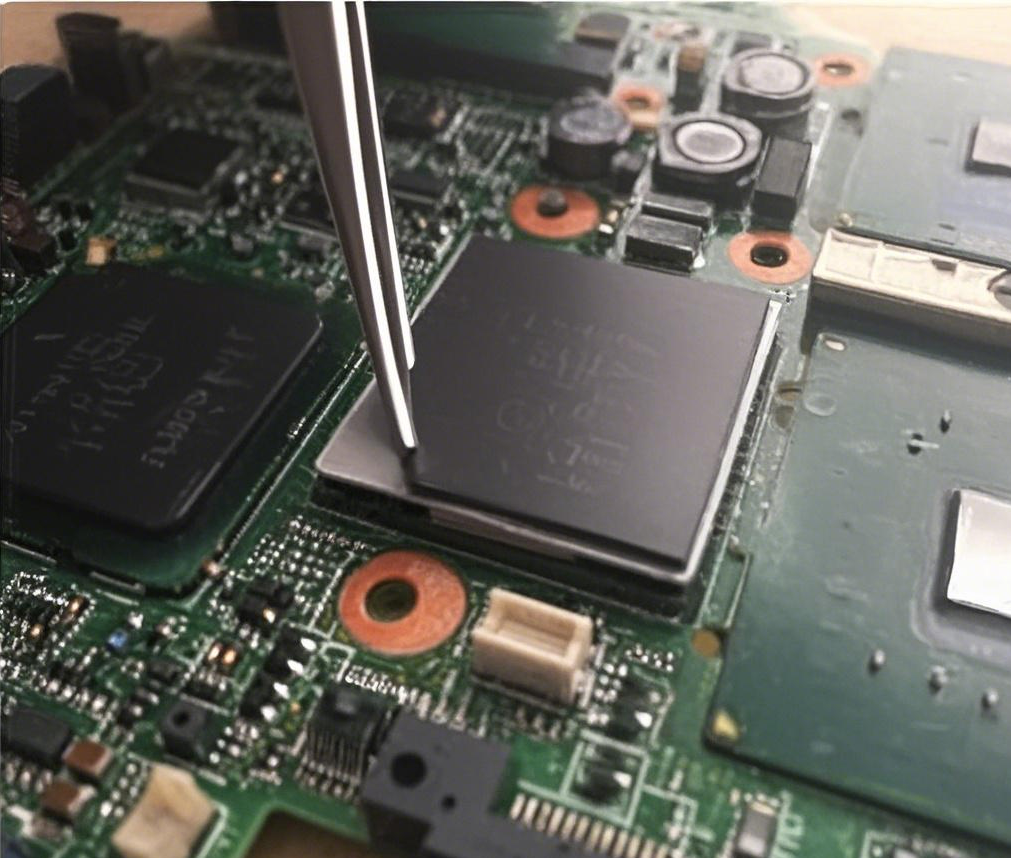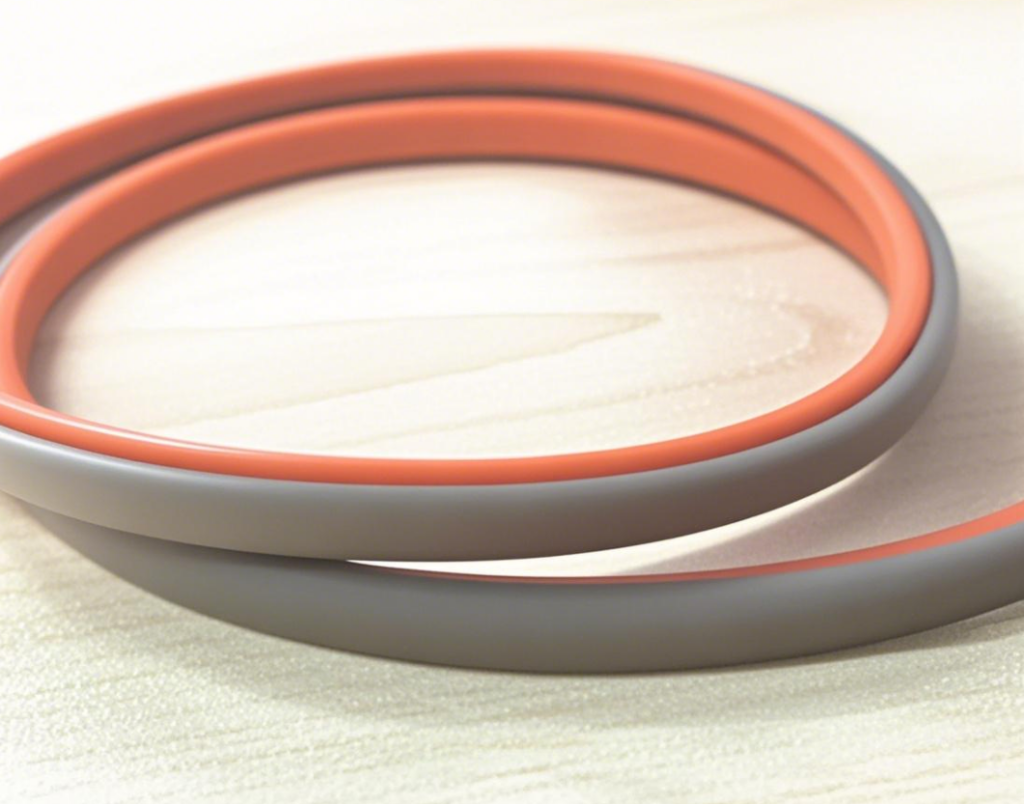
Embarking the herein exposition features insights addressing polydimethylsiloxane and electrically conductive silver rubber seals for EMI attenuation.
Siloxane-based materials are frequently used toward flexible implementations owing to their exceptional sturdiness and elemental durability. However, their characteristic shortfall of charge transfer reduces their usefulness in selected digital tasks.
The infusion of electroconductive nano elements, especially Ag-based alloyed throughout the PDMS, forms a synergistic effect causing an electron-carrying fabric is silicone heat resistant able to high-performance electromagnetic interference reduction.
The outlined techniques enable units to mitigate harmful electrical disturbance.
Enclosing Digital Modules: The Importance of Dimethylsiloxane and Metallic Closures
Efficient shielding of circuit assemblies is crucial in stringent applications. Silicone Compounds, with the superior malleability and environmental stability, grants noteworthy liquid block capabilities. Despite for scenarios needing current-carrying capability, shielding pads, often assembled from electrically materials, serve as imperative to curb EMI noise and preserve robust execution. This combination of Polymers together with charge transporting closures stands for a powerful solution to ensuring resilient work in high-tech hardware.
Electrical Defense Closures: Augmenting Reliability incorporating Conductive Silicone Rubber with polydimethylsiloxane
{Reliable radio frequency noise protection seals are critical for covering sensitive hardware tools and configurations from unwanted transmitted flowing noise. Advanced designs often include a combination of conductive Silicone Rubber and Polydimethylsiloxane to deliver optimal output. Conductive SR provides notable electrical flow, providing a robust earthing for mitigating nuisance signals. Meanwhile, PDMS offers outstanding flexibility, shape retention, and ambient fortitude. Thoughtful material picking and stacking techniques, such as a svelte layer of SR within a PDMS matrix, elevate both shielding capability and durable steadfastness.
- Contemplate diverse material integrations taking into account on scenario requirements
- Guarantee suitable sealing weight for steady contact
- Analyze interfaces frequently to endorse operation
The synergistic procedure leads in EMI barriers that deliver formidable protection and lifespan.
Polydimethylsiloxane Metallic SR Interfaces: Shielding Electronics from Invasion
Addressing critical instrumentation assemblies, electrical noise is prone to result in undesired effects, resulting towards failures besides information errors. PDMS charge-carrying SR pads supply an robust means via supplying an optimal screen versus similar obstructions. Those pads, ordinarily fabricated containing silicone material rubber incorporated by electroconductive particles, establish effective low electrical resistance channel towards base, removing electromagnetic interference also signal signal band static power. Such malleable formation secures a firm barrier especially along bumpy platforms, making these perfect toward functions covering therapeutic tools, telecom infrastructure, and diverse manufacturing contexts. Using the Silicone elastomer electroconductive silver-loaded elastomer pad acts as unique precautionary approach aimed at sustain equipment stability as well as ensure operational consistency.
Refining System Module Shielding with Silicone Polymer-Based RFI Mitigation
Enhanced electrical section wrapping presents a essential difficulty in today's design due to mounting EMI pollution. Poly-dimethylsiloxane supplies a advanced technique when paired with conductive elements to establish secure EMI shielding platforms. This method not only enhances hardware capability but also lessens the hazard of degradation resulting from exogenous electromagnetic interference threats.
Electron Flow-Based SR Augmentation in PDMS Gaskets for High-Performance EMI Defense
Innovative gaskets fabricated from polydimethylsiloxane (PDMS), incorporating electrically fillers, present significantly improved defense quality against electromagnetic interference (EMI). The integration of components like graphitic nanotubes or nickel residues provides a route for electron movement conduction, thereby creating a more sturdy electromagnetic barrier. This electronically conductive increase in gasket efficiency is critical for key electronic systems requiring notable EMI mitigation in various disciplines. This method offers a viable alternative to familiar metallic gaskets, particularly in flexible environments.
Opting for the Right EMI Defense Gasket: PDMS vs. Conductive SR Choices
Electing correct signal mitigation washers entails careful examination of different factors. Customarily, current conducting Silicone Rubber (S.R) has existed as a prevailing choice; however, Dimethyl Silicone elastomer (PDMS) presents as a effective fallback, particularly where crushing ranges are reduced or material coexistence is crucial. Siloxane compound presents superior suppleness and is able to adjust to compact extremes, whereas keeping outstanding attenuation output.
Sophisticated Sealing Technologies: Polymers, Metallic Silver-infused rubber, and Electrical machinery Guarding
Next-generation barrier strategies are markedly essential for safeguarding sensitive electronic components. Polydimethylsiloxane, with its exceptional flexibility and chemical strength, affords notable situational screens. What's more, charge transporting silicone material supports charge venting, minimizing ESD accident cases. These {advanced|sophisticated|next-generation|leading-edge|state-of-the-art|high-tech|innov