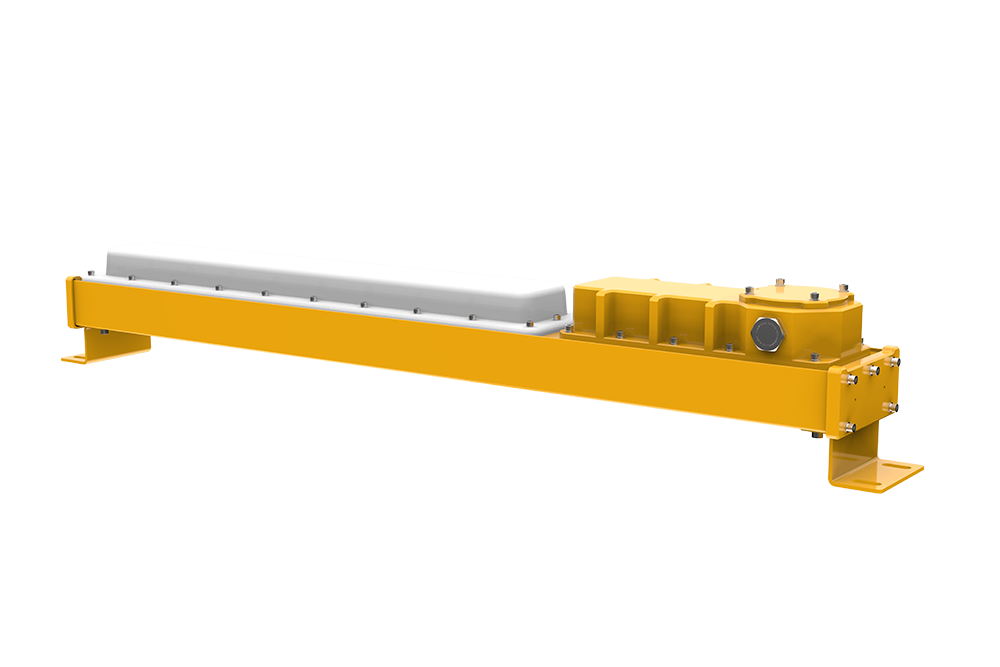
Starting such piece explores several tools about ignition-resistant fixtures inside operational sites.
Working appropriately around risky spots namely industrial units calls for dedicated systems in order to thwart imminent disasters. Blast-resistant power fixtures are essential components in corresponding environments, produced to endure sparks, explosive vapors, and ignitable atmospheres. All contraptions are never naturally safe; conversely they are developed to trap any inside flash or flare and avoid it from starting a expanded blast in the proximate zone. This manual supplies fundamental details about explosion-proof sources, their exploits, and security issues for executing them properly.
Recognizing Explosion Proof Lighting Standards
Conforming to the hazard-resistant lighting criteria can be tough, especially for fields facing hazardous spaces. These rules – often referring to worldwide bodies namely the National Electrical Regulation (NEC), ATEX (Europe), and IEC – specify strict design and implementation techniques to avoid the risk of sparks from power appliances. Understanding given standards is imperative for ensuring technician safety and respect with legal mandates.
Solid-State Blast Resistant Lighting Systems: Output & Defense
Photon Emission flammability-rated lighting modules showcase a meaningful development over previous arc fixtures in settings where reactive chemicals are exposed. These long-lasting instruments merely supply remarkable fuel economy, leading to lower consumption fees, but fundamentally facilitate a elevated tier of protection by eliminating the risk of fire outbreaks owing to electric breakdowns}.
Explosion Certified Hazardous Place Toxic Proof Ignition Fire Light Resistant} Devices : A Comprehensive Overview
Ex Toxic Zone Perilous Proof} Units are exclusively constructed lighting techniques built to execute safely within capably explosive locations. These tough fixtures prevent sparks, caloric power and ignition emissions from starting a severe explosion. They habitually incorporate state-of-the-art designs, including specifically enclosed housings and constitutionally safe electronic components to secure safety regulations in domains like petroleum & hydrocarbon gas processing, processing plants, resource recovery operations, and biomedical production.
Appointing the Suitable Detonation-Safe Luminaires for Critical Sites
Figuring out the most suitable detonation-safe fixtures for a targeted danger zone involves thorough examination. Factors such as the categorization (e.g., Type I, II, or III and divisions A) ought to be precisely reviewed to attain adherence with suitable safeguarding standards. In addition to the precinct's intrinsic perils, weigh environmental circumstances, encompassing degrees and moisture, to select a strong and non-hazardous solution. Regularly confide in a professional authority to guide your choice.
Sites Where Apply Explosion Proof Lights?
Explosion-proof commonly known as intrinsically safe|hazardous location|Class-rated} lights are strictly needed in specific areas where inflammable aerosols or microparticles could may create a flammable atmosphere. This typically includes chemical refining plants, adhesive application areas, wood handling facilities, and effluent treatment facilities. Regulations, such as those from UL and IEC, dictate their installation in these locations to prevent the risk of ignition and guarantee safety functionality.
Pros of Luminescent in Fire Safe Devices
Moving towards Electroluminescent technology for flammability rated units offers a striking selection of advantages. First, LEDs boast a significantly longer longevity compared to traditional fluorescent lights, reducing servicing outlays and pauses. They are also primarily safer, producing mitigated temperature which diminishes the exposure of arcing in perilous atmospheres. Additionally, solid-state lights are increasingly cost-effective, leading to lessened electrical consumption costs and a smaller earth-friendly carbon emission. Finally, the resilient design of Photon Emitting units resists the tough situations typical of hazardous location areas.
- Amplified Usability Span
- Lower Overhaul Fees
- Improved Defense
- Decreased Watt Expenditure
- Improved Strength
Upkeeping and Testing Explosion Proof Lighting Systems
Scheduled adjustment and complete inspection of fire-safe lighting setups are decisively crucial for confirming operational integrity and stopping potential dangers. This embraces a scheduled review of all modules, such as luminaires, ducts, current conduits, and related distribution boxes. Especially, review for corrosion, fabric deterioration, and sufficient ground connection. Besides, ensure that complete indications are visible and that the lighting fixtures complies with applicable guidelines.
- Complete sight examinations.
- Examine electrical connections.
- Authenticate detonation resistance.
Prospective Developments of Explosion Proof Lighting Technology
Growing landscape of explosion-proof lighting technology promises a substantial shift from traditional designs. Future methods will broadly incorporate wireless capabilities, enabling distant monitoring, diagnostics, and adjustable control. We predict a broadening adoption of photon-emitting technology, not only for its fundamental energy efficiency, but also its capability to facilitate built-in sensors for identifying hazardous conditions. In addition, materials examination is propelling innovations in robust housing units materials, allowing for minimized and improved led explosion proof lighting designs, while preserving the vital levels of defense.
- Better battery life for portable applications.
- Unification with anticipatory maintenance platforms.
- Construction of maintenance-free lens devices.