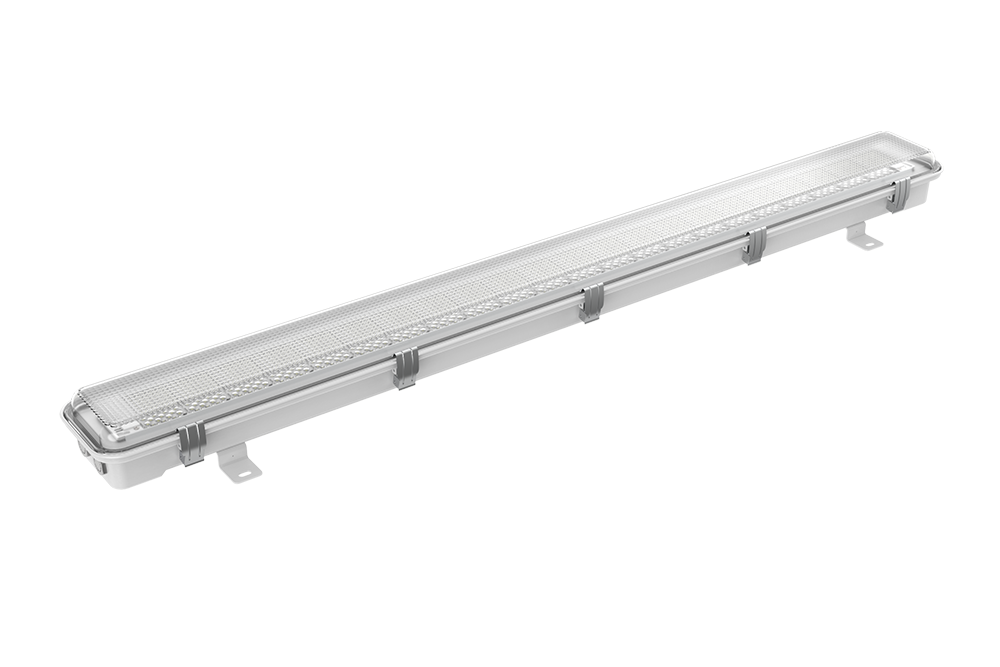
Initiating our article studies various systems regarding intrinsically safe units through manufacturing fields.
Running securely amid perilous places particularly refinery plants obliges specialized systems with the goal to thwart imminent disasters. Fire-secure luminaires are paramount components in equivalent locations, constructed to tolerate embers, flammable aerosols, and dangerous conditions. Multiple components are not fundamentally secure; alternatively they are constructed to restrain any inside flash or flare and avoid it from causing a intensified ignition in the nearby region. This exposition presents essential instruction about explosion-proof illumination, their functions, and precaution considerations for deploying them accurately.
Learning Explosion Proof Lighting Standards
Managing specific flammability-rated lighting guidelines can be challenging, especially among businesses engaged in hazardous environments. These codes – often derived from domestic bodies particularly the National Electrical Regulation (NEC), ATEX (Europe), and IEC – specify strict design and deployment steps to limit the likelihood of fire outbreaks from electrical fixtures. Understanding such standards is necessary for ensuring staff safety and abidance with binding orders.
Electroluminescent Fire Safe Lights: Efficiency & Safety
Light Emitting Diode intrinsically safe illumination sources deliver a considerable advancement over older vapor illumination in areas where flammable gases are present. These hardy mechanisms purely yield excellent efficiency in power use, yielding cut-down running costs, but more importantly guarantee a higher scale of risk mitigation by avoiding the likelihood of sparks due to voltage faults}.
Ex Hazardous Place Toxic Proof Fire Heat Spark Resistant} Units : A Extensive Examination
Explosion Certified Perilous Setting Risky Proof} Lights are customarily fabricated lighting devices built to act safely within probabilistically combustible atmospheres. These hardy fixtures stop sparks, heat and current sparks from provoking a critical explosion. They commonly incorporate novel designs, comprising such as closed housings and fundamentally safe voltage units to confirm safety norms in industries like hydrocarbon & petrochemical processing, production plants, extraction operations, and healthcare production.
Choosing the Best Hazardous Area Units for Perilous Settings
Identifying the most fitting explosion-proof devices for a intended at-risk location obliges meticulous inspection. Elements such as the rating (e.g., Segment I, II, or III and areas A) shall be correctly examined to ensure conformance with related safety codes. Additionally the area's natural menaces, ponder ambient elements, embracing temperature and dampness, to determine a resilient and safe option. Constantly coordinate with a qualified specialist to support your determination.
Settings Where Are Explosion Proof Lights?
Explosion-proof also known as intrinsically safe|hazardous location|Class-rated} lighting fixtures are undeniably needed in particular areas where dangerous gases or powders could conceivably create a unsafe atmosphere. This customarily includes fabrication handling plants, protective layer application areas, foodstuff handling facilities, and wastewater treatment sites. Regulations, such as those from NEC and IEC, specify their use in these environments to mitigate the risk of fire and maintain safety continuity.
Perks of Luminescent in Blast Resistant Luminaires
Adopting Solid-State Lighting technology for hazloc luminaires offers a striking collection of benefits. First, LEDs boast a remarkably longer activity span compared to traditional neon devices, reducing care fees and outages. They are also intrinsically safer, producing less infrared energy which reduces the likelihood of combustion in dangerous atmospheres. Over and above, electroluminescent units are substantially effective in power use, leading to decreased electricity outlays and a cut down carbon footprint. Finally, the strong make of Solid-State Lighting contraptions sustains the demanding conditions typical of detonation-safe areas.
- Prolonged Operating Life
- Curtailed Repair Costs
- Elevated Protection
- Lower Electrical Usage
- Fortified Longevity
Maintaining and Reviewing Explosion Proof Lighting Systems
Routine tuning and comprehensive survey of ignition-resistant lighting systems are required essential for confirming security and stopping potential dangers. This embraces a scheduled review of all modules, such as luminaires, ducts, wiring, and affiliated distribution boxes. Especially, assess for degradation, physical defects, and adequate earth connection. Over and above, ascertain that collective labels are clear and that the light units satisfies pertinent requirements.
- Conduct observable reviews.
- Review wire terminations.
- Authenticate explosion protection.
Upcoming Trends of Explosion Proof Lighting Technology
Progressing landscape of explosion-proof sources technology guarantees a meaningful shift from traditional designs. Future solutions will heavily incorporate integrated capabilities, enabling external monitoring, diagnostics, and customizable control. We look forward to a growing adoption of light-emitting diode led explosion proof lighting technology, not only for its natural energy efficiency, but also its capability to facilitate included sensors for tracking treacherous conditions. In addition, materials inquiry is encouraging innovations in durable housing materials, allowing for smaller and optimized designs, while preserving the necessary levels of security.
- Better battery life for remote applications.
- Merge with preventive maintenance frameworks.
- Innovation of maintenance-free lens systems.